Bethann Hardison
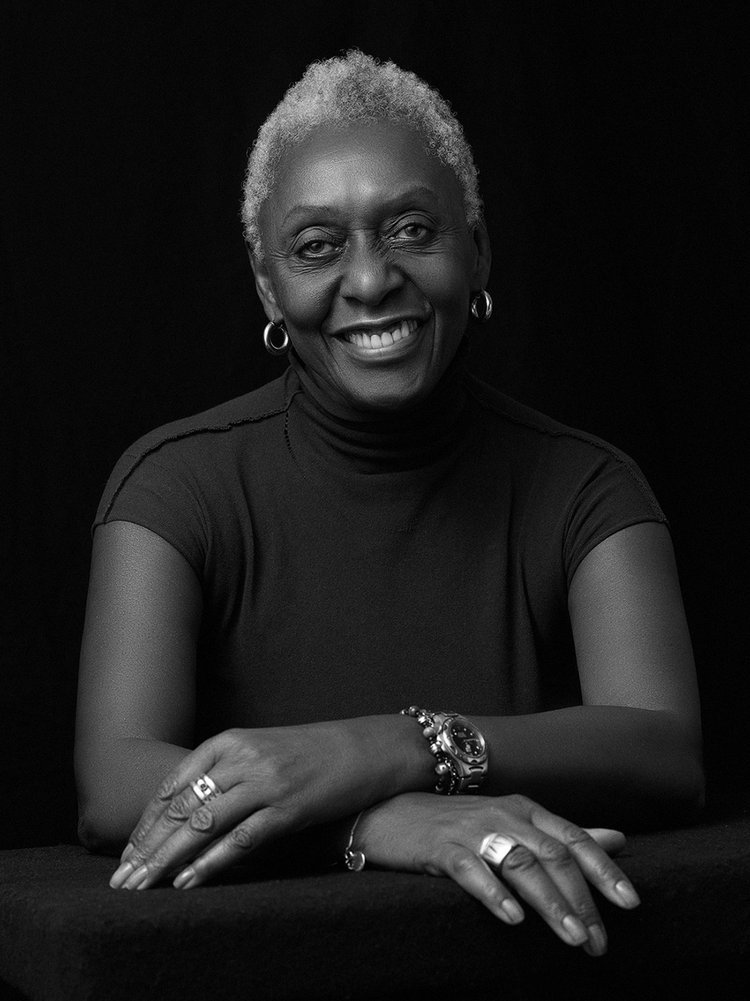
Invisible Beauty Directed by Bethann Hardison and Frédéric Tcheng
Through rich archival material, Invisible Beauty revives the energy of several decades of New York City’s cultural life: The liberating 60s with its “Black is Beautiful” mantra, Hardison’s first test shoot with Bruce Weber in 1969, her iconic turn at the Battle of Versailles in 1973, Studio 54, the 1980s downtown art scene with friends Keith Haring and Basquiat, the Black Girls Coalition in 1988 — and never-before-seen raw footage of Hardison’s 2007 town hall meetings that shook the fashion industry by sounding the alarm about diversity. Hardison fearlessly reveals the intimate details of her personal journey as a single mother, a Black owner in a white industry, a fierce truth teller and relentless believer in the power of racial integration. The results of Hardison’s efforts are evident today. The Council of Fashion Designers of America recognized Hardison’s transformative role with a Founder’s Award in 2014. But for Hardison, the battle isn’t over. Black models seem to have secured their place in front of the lens, yet work remains for diversity behind the scenes. In 2018, Hardison founded the Designers Hub to develop resources for emerging Black designers. In 2020, the fashion industry was shaken to its core by the Black Lives Matter movement. Every brand, institution and leader was faced with reevaluating their relationship to race. Hardison, now an advisor to the CFDA and Gucci, speaks at the center of the conversation. With five decades of experience, Hardison finds herself in a unique position, between establishment power players and a new generation of changemakers demanding systemic justice. About Bethann Hardison Bethann Hardison’s formative years were split between two worlds: Brooklyn and North Carolina. In Bedford Stuyvesant, Brooklyn, she was raised between the households of a carefree mother and a father who was an Islamic leader. She flourished as an independent spirit in a vibrant community. But in North Carolina, where she spent summers with her grandmother, she witnessed another side of Black life in America: racial segregation and inequality. When Hardison started working in the Garment district in the late 1960s, her unique style quickly caught the attention of the emerging Black designer Willi Smith. She became his muse, and one of a handful of Black models who changed the course of fashion. Hardison didn’t walk the runway, she danced it. At the legendary 1973 Battle of Versailles fashion event she stared down a French audience of fashion elites until they stomped their feet in approval. She became a star, and a new era in fashion was born. In the 70s, Hardison jumped into the exhilarating scene of New York City headfirst. A fixture in downtown nightlife and at Studio 54, she formed life-long relationships with Andy Warhol, Fran Lebowitz, Stephen Burrows, Iman, and later with Keith Haring and Jean Michel Basquiat. All while juggling life as a single mother to her son Kadeem, who 4 would become an actor and the star of the hit television show A Different World as “Dwayne Wayne.” In 1984, Hardison took the bold step of opening her own modeling agency. As a Black business owner in a white-dominated industry, she represented a mix of models in order to remain competitive while advancing models of color. She signed the next generation of Black superstars including Veronica Webb and Tyson Beckford, who made history with an exclusive contract with Ralph Lauren. Seeing the success of Black models, Hardison decided to celebrate and create community. With Iman she co-founded the Black Girls Coalition, which organized fundraisers and awareness campaigns. By the late 1990s, Hardison noticed the slow reversal of diversity in the fashion industry. Casting directors started saying openly, “no Blacks, no ethnics.” Witnessing the achievements of the 70s and 80s begin to backslide, Hardison took action. She held press conferences and town hall meetings that disrupted the industry. She found an important ally in the late Franca Sozzani, the former Fashion Editor of Vogue Italia. Together they collaborated on the now famous 2008 “All Black Issue.” It was an instant hit that was reprinted three times — and proved that diversity could sell. By 2013 when Black models began to fade from view again, Hardison took the radical step of writing open letters to fashion councils around the world, calling out specific designers who consistently hired few or no models of color in their shows. She enlisted Naomi and Iman to take to the television airwaves to broadcast the message: “No matter the intent, the result is racism.
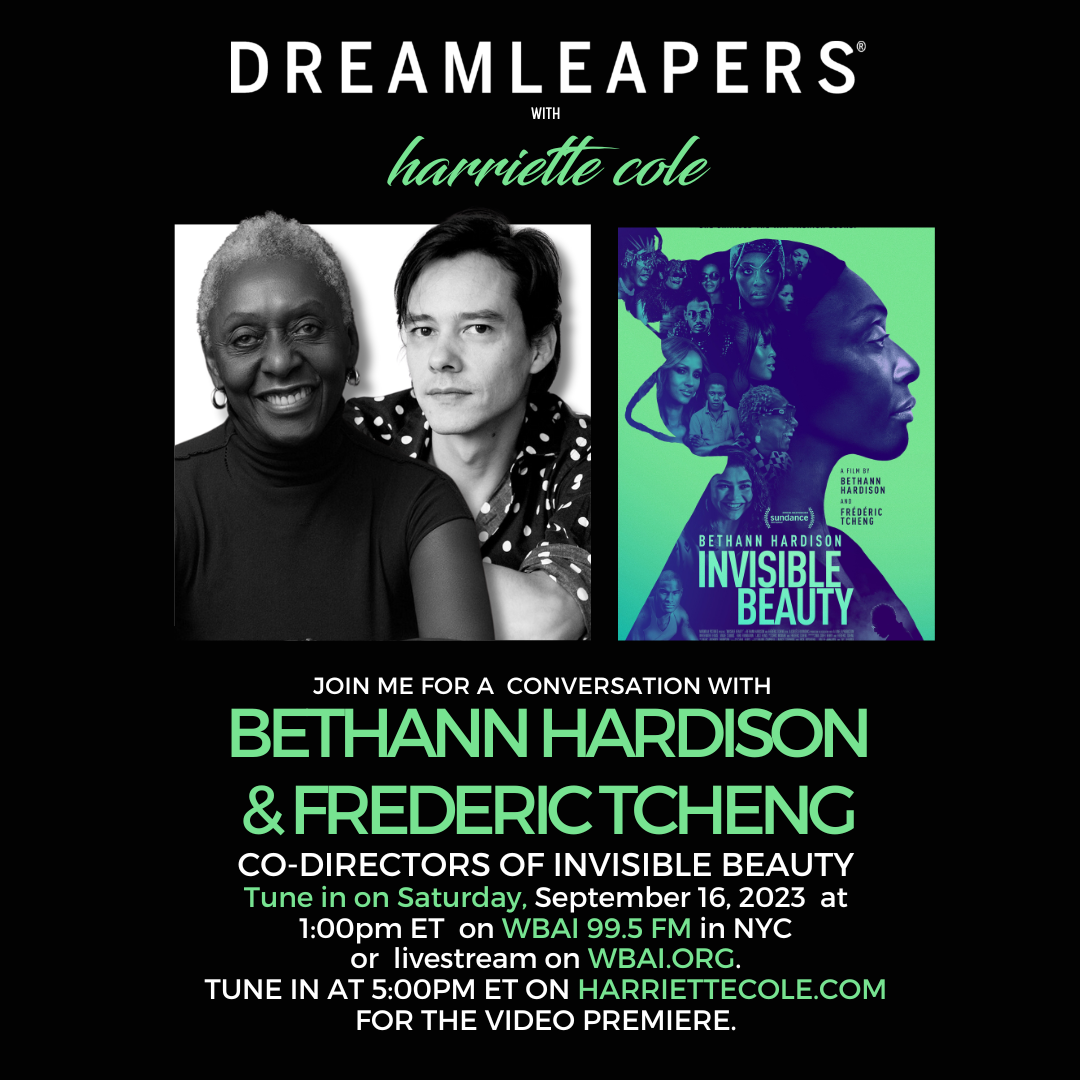
Collaboration: Statement by Bethann Hardison and Frédéric Tcheng
Invisible Beauty is first and foremost a collaboration between us. Through co-directing, we want to rethink the way we make films. The relationship between filmmaker and subject is often characterized by unequal access to power, privilege and authorship.
Who is allowed to tell a story? Who is allowed to control an image? Who has the privilege of self-representation? These questions have clear parallels with the questions raised by Bethann’s advocacy work. We wanted to put them at the core of our process. We worked together to make Bethann’s voice central to the telling of her story. Through active interrogation and intergenerational dialogue, we strived to explore more fully the existential nature of a life well lived.